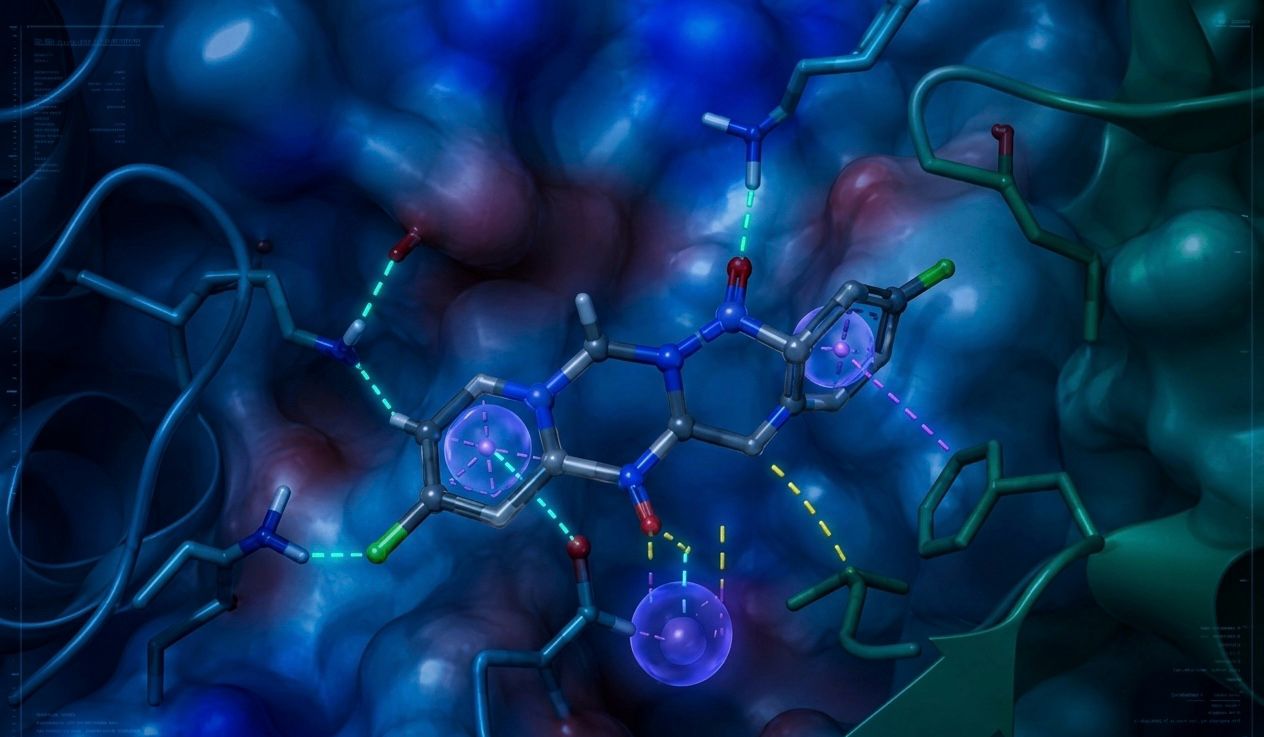
Our research focuses on glycan-based biomarker discovery and computational modeling to better understand disease-related molecular signatures. Glycans play a central role in cell communication, immune response, and disease progression, making them strong candidates for next-generation diagnostic biomarkers.
By integrating computational biology, molecular interaction analysis, and systems-level modeling, we identify glycan-linked patterns that may indicate early disease states or progression pathways.
Project Objective
To identify glycan-associated biomarkers linked with specific disease conditions using computational modeling and molecular interaction profiling.
Computational Glycan Modeling
We simulate glycan structures and interaction networks to understand how changes in glycosylation patterns correlate with disease states
Molecular Interaction Analysis
We evaluate binding interactions between glycan structures and relevant biological targets to identify meaningful biological signals
Biomarker Prioritization
Candidate biomarkers are ranked based on stability, biological relevance, and predictive potential
Expected Outcome
Computationally derived biomarker profiles
Disease-associated glycan interaction patterns
Prioritized candidates for laboratory validation
Result and Scientific Value
The analysis provided structured, reproducible biomarker candidates supported by molecular interaction modeling and computational validation. This enables faster transition from theoretical discovery to laboratory confirmation.
Improved understanding of glycan–disease relationships
Strengthened pipeline for diagnostic development
Reduced uncertainty before experimental validation