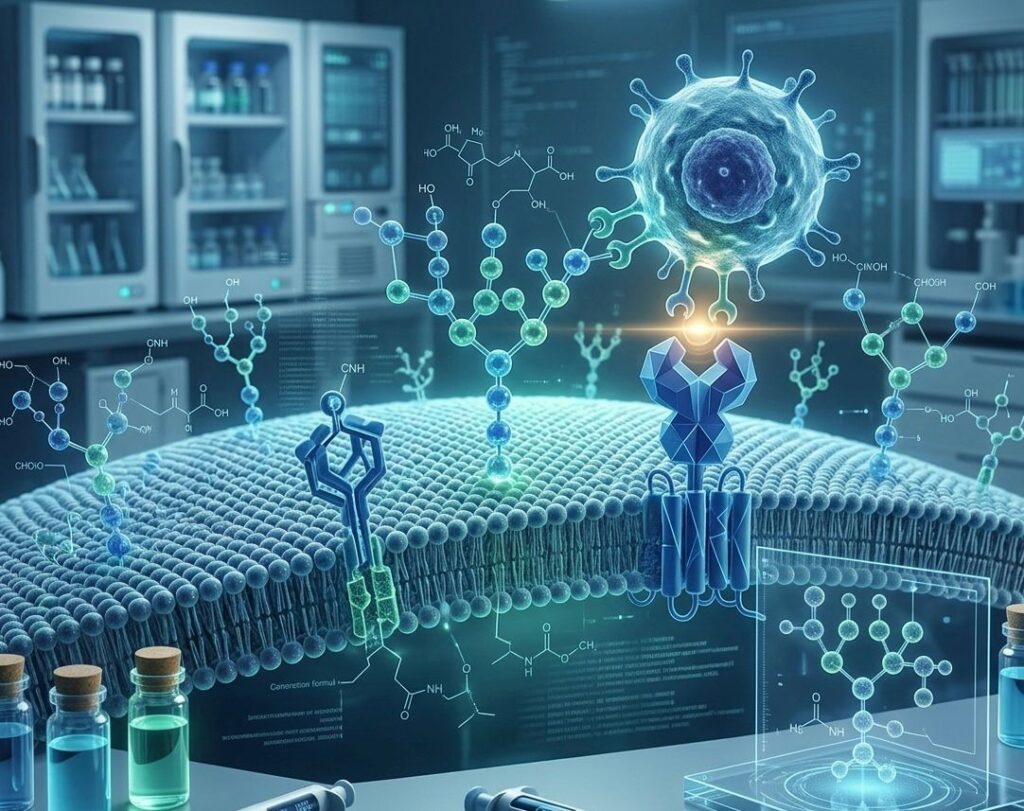
Cellular communication systems play a fundamental role in immune regulation, disease progression, and molecular recognition across complex biological environments. Among these systems, glycan-mediated interactions represent an increasingly important area of research due to their influence on signaling pathways, cellular behavior, and biological specificity.
Advances in glycobiology, molecular profiling, and analytical technologies are enabling deeper investigation into how glycans contribute to disease mechanisms and cellular interaction networks. These developments are expanding scientific understanding across oncology, immunology, infectious diseases, and regenerative research.
At Quanzza, we are particularly interested in how glycan-mediated communication systems can support biomarker discovery, precision targeting strategies, and next-generation approaches to understanding complex diseases.
Modern glycobiology research increasingly relies on integrated analytical methods including molecular imaging, interaction mapping, computational analysis, and high-resolution profiling systems to improve biological interpretation and translational potential.
As research in cellular recognition continues to evolve, glycan science is expected to play a growing role in the future of precision medicine, systems biology, and adaptive therapeutic innovation.
Key Areas of Scientific Advancement
- Glycan-mediated molecular interactions
- Cellular communication systems
- Biomarker discovery and molecular profiling
- Precision targeting strategies
- Immune signaling and disease pathways
- Integrated glycobiology research systems
Scientific Insight
The future of precision science will increasingly depend on understanding how cellular recognition systems and glycan-mediated interactions influence disease behavior, molecular specificity, and biological adaptation.